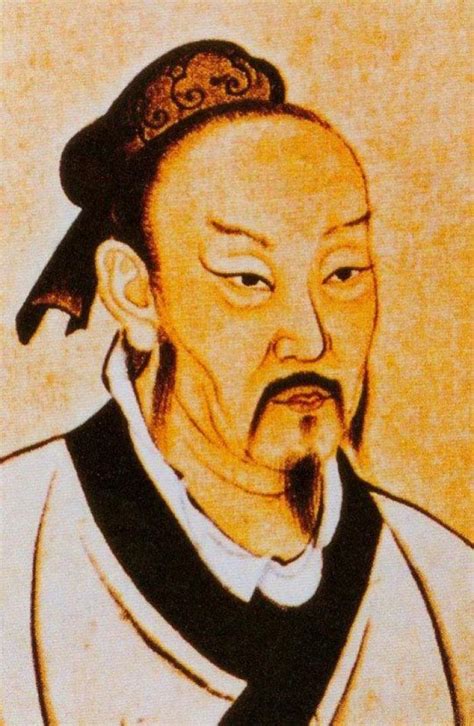
Zhuangzi chapter 1 summary
Chuang Tzu’s Tree Taoist literature is an extremely fascinating body of material, with lots to chew over. Enjoy this little story, which tells of of a seemingly useless tree, which is wiser than it appears. Zhuangzi pdf
There’s an old Chinese story – from the writings attributed to the Taoist sage Chuang Tzu – about a master carpenter who was traveling with his apprentice through the countryside when the two happened upon a rather remarkable tree. useless. Recently, I’ve gotten very interested in reading old Chinese literature, particularly Taoist philosophy. In this blog post, I’m just going to leave you with one of my favorite anecdotes from one of my favorite Chinese authors, Chuang Tzu (c. 360 BC). Sometimes, what we think is clever is really self-destructive, and what we think is [ ].
one or the other of two patterns: A certain person or living thing has a defect that renders it useless from a conventional point of view, and takes advantage. There’s an old Chinese story – from the writings attributed to the Taoist sage Chuang Tzu – about a master carpenter who was traveling with his apprentice through the countryside when the two happened upon a rather remarkable tree. Here’s a version of the story, from Burton Watson’s translation of the text.
“What a useless tree that is. There he was, and still is, a boy who will never grow beyond infancy, who will never live up to our standards of productivity or accomplishment. But, as Chuang Tzu suggests, even the apparently useless have their value, and it could be a value that we miss completely if we insist on using our usual standards of worth.
Zhuangzi chapter 2 summary
Chuang Tzu, a brilliant fourth century BC thinker and writer, uses the image of the "useless tree" several times in the opening chapters (referred to by those in the know as the Inner Chapters) of his book, which is named for him: Chuang Tzu. Zhuangzi butterfly
It originates with the Taoist philosopher Chuang Tzu – who lived and philosophized, often through stories, some years ago or so, the next generation after Lao Tzu and the Tao Te Ching: Shih the carpenter was on his way to the state of Chi. When he got to Chu Yuan, he saw an oak tree by the village shrine. CHUANG TZU: TWO RENDERINGS - The Seven Storey Mountain Chuang Tzu is getting us to reconsider this category of “usefulness”. Even when, to begin with, it comes quite literally to trees. For thought the tree in the story may not have been useful in terms of timber and building materials or fruit. How about shade for the oxen or the weary traveler beauty for tired eyes a shrine.The Tale of the Useless Old Tree (Take 1) - Useless Old Tree Índice. Quién fue Zhuang Zhou; Frases de Zhuang Zhou; Quién fue Zhuang Zhou. Zhuang Zhou, conocido como Zhuangzi o como Chuang Tzu, fue un filósofo que vivió alrededor del siglo IV a. C. en la antigua China, se le considera el uno de los taoístas más importantes, su pensamiento se compara con la escuela cínica de Grecia.The Way of Chuang Tzu - Terebess Como ocurrió también con Lao Tse, algunos estudiosos carentes de sentido crítico se han atrevido a insinuar que sólo es auténtica la parte inicial de su obra (llamada El libro de Zhuang Zi o El libro de Chuang Tzu, es decir, el libro del maestro Zhuang o Chuang), en tanto que es apócrifo todo lo demás. Tales estudiosos se permiten hacer. Chuang tzu philosophy
In this dreamy parable, the ancient Chinese sage, Chuang-Tzu, conveys to the reader the meteorite-like impact dreams can have on our lives. The wandering carpenter in this parable is rudely awakened by a giant, "useless" oak tree in a life-changing, perspective-shifting dream.
Zhuangzi butterfly dream
Master Hui’s story of the large tree: I have a large tree that people call holy. This is a pun. The sinograph I translate as holy literally means an ailanthus tree. The ailanthus tree is also known as the tree of heaven. The word also means useless (the wood of the ailanthus is soft and useless).
Zhuangzi meaning
Chuang Tzu, who wrote in the fourth and third centuries B.C., is the chief authentic historical spokesman for Taoism and its founder Lao Tzu (a legendary character known largely through Chuang Tzu's writings).